Founder Story
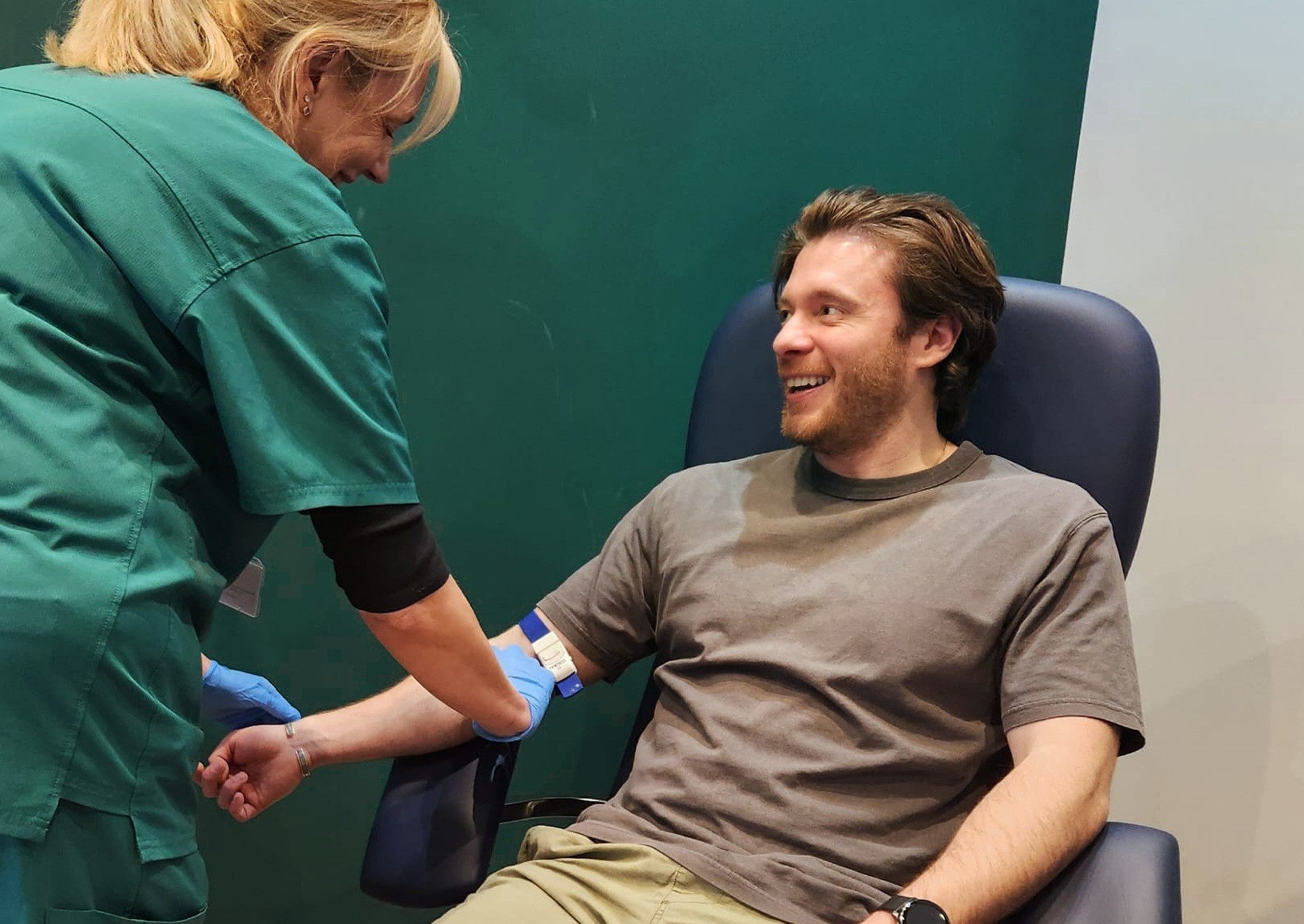
Cris Hesketh, founder.
---
The inputs:
▎ Body — 36, M, 5'9.5", 87 kg, BMI 28.2, body fat 14%, waist-to-height 0.47
▎ Vitals — BP 119/75, resting pulse 50
▎ Lifestyle — 5h weights + Zone 2 biking weekly, 6.5 h sleep, high stress, 7 units alcohol, ~200 mg caffeine, ex-smoker
▎ Medications — ADHD medication
▎ Supplements — Magnesium Glycinate, Vitamin D + K2, Multivitamin (Heights), NAD, Omega 3, Creatine, Zinc, L-Theanine, Glycine (historically: double or triple this list!)
▎ Test — fasted 17 h, draw 13:10, Randox
---
Who I am, why I tested
I built Revi. I'm an engineer, obsessed with systems thinking, optimisation, and ways to get an edge. I launch and roll out technology products for a living. I'm highly competitive — like to win, but also to teach, support, and guide others to improve. I read anything available on longevity from all sources and try to implement what I learn. I'm a researcher first, an implementer second, but I am not militant with every finding.
In any personality test, I spike in the analytical blue zone, even under stress. What I actually want is accuracy, efficiency, and time spent on the most important things. Maximum impact, fewest actions. I zone out if people don't stay on the critical point.
That's the thinker side. But I'm also exactly the person Revi is for. I get sold supplements from Instagram reels. I bought the wrong form of magnesium. I took boron when my markers showed I needed the opposite. I ate olive oil because it's a superfood — and it is — but I didn't know it was 120 calories a spoonful. I bought Tongkat Ali, not knowing it was the opposite of what my hormone profile needed. I had no idea ADHD medication would impact my hormones — no-one told me. I don't sleep enough but expect to operate better than anyone else and have the best gym results.
I find longevity science amazing, complicated, in some parts over-hyped, over-influencer'd, and not personal. What's online is great, but if it's not tailored to you, it's basically pointless — you will get it wrong. I took other tests too — and found nothing actionable, nothing personal to me. Just a reference range. It was great knowing nothing was wrong. But I didn't want to just be at reference.
I wanted to excel — and know how to achieve it. I wanted to know what my body likes and needs across supplements, lifestyle, exercise, and nutrition, whether what I was already implementing was actually working, and what else I could do to gain an edge.
So I tested myself. Turns out some of it works, and some of it doesn't.
---
What I learned
My Revi Longevity Index came in at 91.2 — strong overall. But inside that score, eight things I needed to know.
My Transferrin Saturation is 44.7% — close to the level where iron overload becomes worth checking properly. Haemochromatosis is an inherited tendency to absorb too much iron, and it is more common in white Northern European populations. This is the kind of finding that often gets missed unless you are specifically looking — and if it persists at retest, it becomes a clear GP conversation.
My HDL cholesterol is below the population reference. HDL is involved in cholesterol transport — mine is low. Clear room to improve.
My ApoB is 76 mg/dL — under the reference ceiling (173), but above Revi's optimal of <60. ApoB is the cholesterol particle count most directly tied to long-term cardiovascular disease — the leading cause of death globally. Mine sits in the "fine clinically, but not where I'd want it for the long horizon" zone.
My HbA1c is 40.77 — ~6 above optimal, and ~1 below the pre-diabetes threshold. Meaning my blood-sugar control over the prior three months was closer to the pre-diabetic territory than I'd want. See HbA1C deep dive ->.
My Vitamin D is 169 nmol/L — above the optimal band. I'd been supplementing high-dose Vitamin D3 + K2 daily. Turns out I was overdoing it.
My homocysteine is 10 µmol/L — above the optimal ceiling of 8. Elevated levels are independently linked to cardiovascular and cognitive risk over time. My B12 and Folate are lower than required to clear it.
My Omega-3 Index is 10.37% — in the optimal range (10–12), top decile of the population. The fish oil I've been taking is actually doing real work. Good to see something in the stack moving the right markers. See Omega-3 deep dive ->.
My total testosterone is lower than I wanted — but free testosterone is in a good zone. Caveat: my draw was 13:10 in the afternoon, and ADHD medication affects hormone readings. I need to re-test this to be certain.
And the rest — what's quietly working. Lp(a) at 6.4 is great — I don't carry the genetic CV risk that affects ~20% of the population. Liver markers in a good place (ALT 21, GGT 10.6). Kidney function clean — eGFR 88, Creatinine 98, Cystatin C 0.88 (within reference). Triglycerides 0.44, Total Cholesterol 3.77, Uric Acid 257, PSA 1.0 (good prostate marker), urine fully clean, Glutathione Reductase optimal (antioxidant defence). Cortisol sits in the appropriate PM band. Insulin, glucose, and C-peptide — the metabolic markers most tied to diabetes risk — all in good shape. And my WHtR (waist-to-height ratio) is 0.479, a cleaner health-risk measure than BMI.
The picture wasn't broken. It was mostly working — with specific gaps worth closing.
Some I expected. Some I didn't. Together, they gave me the picture I needed.
See the example report this analysis came from →
---
What I'm doing now
This week:
Upped Zone 2 cardio to 3x/week (120–160 min total)
Reduced Vitamin D + K2 from 4000 IU to 1000 IU — while I watch the marker
Cut saturated fat and replaced with high-polyphenol olive oil — butter was the enemy
Upped fibre to 30–40g daily (10g psyllium husk; the rest through vegetables and beans)
Booked the fasted morning retest for TSAT, hormones, and the full panel
Working on extending my sleep window and minimising alcohol consumption
Weeks 2–4:
A 2-week Continuous Glucose Monitor trial — identifying the specific meals and timings driving my HbA1c above optimal (more on this to come)
Adding methylcobalamin + methylfolate to the stack — B12 and folate targeting the homocysteine gap
Tweaking other supplementation based on Revi recommendation: Increasing magnesium, adding psyllium husk and selenium / Brazil nuts.
Weeks 6–8:
Fasted morning retest at 9am — TSAT, Ferritin, hormones, and the full panel — for a clean read
If TSAT pushes above 45% and starts moving toward 50% -> Initiate a GP conversation
What I'm aiming to see at re-test:
HDL up
HbA1c down 2–4 points
Vitamin D back in the optimal band
Homocysteine back inside the optimal ceiling
Body composition modestly improved
And — quieter but real — better afternoon energy stability, better recovery between sessions, less mental noise about whether I'm overdoing the wrong things
One thing I'm explicitly NOT doing yet: any hormone intervention. I want clean morning fasted numbers before drawing any conclusions, given the afternoon draw + ADHD medication combination. Bad data leads to bad decisions, and this is exactly the area where Instagram reels would tell me to start taking things I shouldn't.
---
Why this matters
One test can show a lot.
If I can impart any wisdom — improvements to life, improvements to how people feel day to day — and show people an easy way to have the biggest longevity impact with the fewest actions, I'll have succeeded.
That's why this product exists.
---
Founder Cohort II is open.
50 places at £279.
Each report is reviewed by me personally before it's delivered.
---
Cris Hesketh, founder, Revi Longevity